Every great track starts somewhere, and for a growing number of producers and synth enthusiasts, that somewhere is a home studio built with their own two hands. You don’t need a major-label budget to create a space that sounds professional and feels like a creative sanctuary. With smart planning and a few key investments, you can build a DIY studio that inspires you to make music for years to come. Here’s how to put it all together.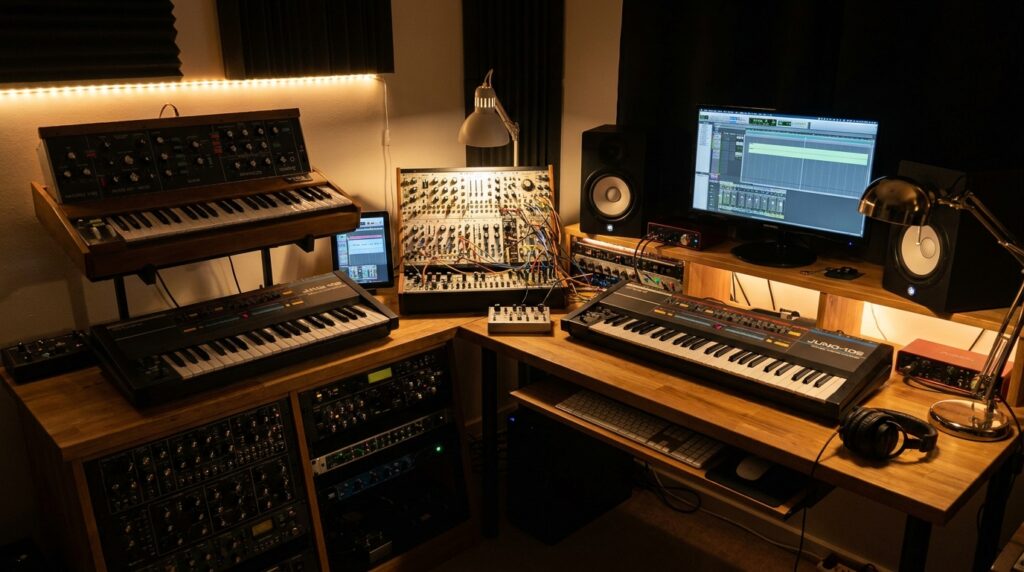
Start With the Room
Before you buy a single piece of gear, look hard at your space. The room itself shapes your sound more than most beginners realize. Pick a space where you can control noise and minimize outside interruptions, and pay attention to its dimensions, square rooms tend to create the worst standing waves. You don’t need to gut the walls, but understanding how sound behaves in your room is the foundation everything else sits on.
Treat the Acoustics
Acoustic treatment is where DIY really shines. Foam panels, bass traps in the corners, and a thick rug on the floor tame reflections and tighten up your monitoring. You can build effective broadband absorbers yourself with rock wool and simple wooden frames for a fraction of the cost of commercial panels. Position your treatment at the first reflection points, the spots on the walls where sound bounces from your speakers to your ears, for the biggest improvement.
The Core Gear
Now for the fun part. A capable computer and a digital audio workstation anchor the whole operation. Add a solid audio interface, a pair of studio monitors, and a good pair of headphones for late-night sessions. For a synth-focused setup, build your collection around the instruments that excite you, a MIDI controller, a few hardware synths, and a patchbay to keep signal routing sane. Cable management and a sturdy desk with proper rack space keep the chaos under control.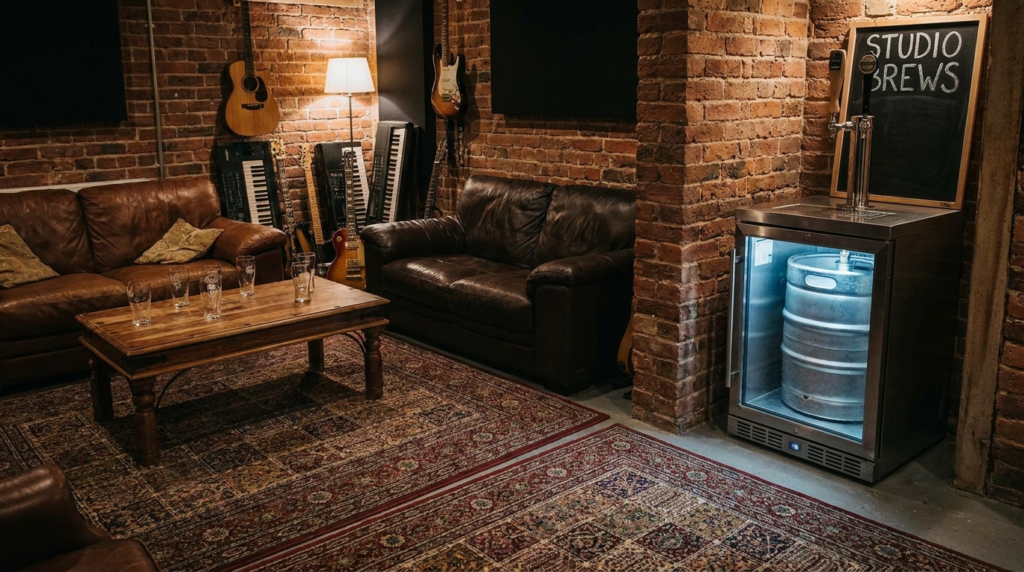
Comfort and the After-Hours Vibe
Here’s the part too many builders skip: a studio you actually want to spend time in. Long sessions demand a comfortable chair, good lighting, and a space that feels like yours. This is where a little personality goes a long way, and a beer keg refrigerator tucked into the corner is a fantastic touch. A kegerator delivers cold draft on tap without crowding your mini-fridge with cans, and it turns a late-night mixing marathon or a casual session with collaborators into something that feels celebratory. Nothing caps off nailing the perfect patch like a fresh pour a few steps from your console.
Forever Growing
A DIY studio is never truly finished, it grows with you. Start with a treated room and reliable core gear, then build out the creature comforts that keep you coming back. Whether you’re sculpting basslines at midnight or hosting a few friends for a listening session, a thoughtfully built space, right down to that keg fridge, turns making music into a lifestyle you’ll never want to leave.
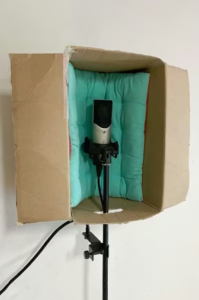 Microphones are another cornerstone of any music studio. A good selection usually includes a large-diaphragm condenser mic for vocals, dynamic mics for louder sources like drums or guitar amps, and possibly ribbon mics for a warmer, vintage tone. Each type of microphone has its strengths, and choosing the right one for your recording purposes will elevate the clarity and character of your tracks. Equally important is a midi controller or keyboard, which allows you to input notes, control virtual instruments, and compose more intuitively. For musicians who play live instruments, quality instrument cables and microphone stands keep the setup clean, stable, and dependable.
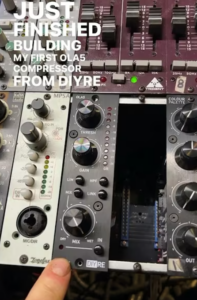 Cabling and power management are equally important: investing in shielded cables reduces interference, while power conditioners protect your equipment from surges and electrical noise. Comfortable, ergonomic furniture like an adjustable chair and a sturdy desk also make long sessions more productive and less fatiguing. And let’s not forget backup storage either—external drives or cloud solutions ensure your projects are safe in case of hardware failure.


 Who doesn’t love hearing unique sounds? Music lovers and those who create it spend a lot of time trying to put different sounds together to make them flow and sound great. This enables the random sounds to become a song. A synthesizer makes it more possible and most are simple electronic musical instruments that convert sound through amplifiers, speakers, or headphones.
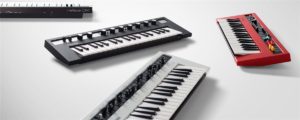 A synthesizer is designed to imitate certain sounds. For instance, they may imitate a piano, an organ, a flute, or other instruments. They may also allow you to play music that sounds like ocean waves or other “natural” sounds. This is why you will see them frequently used along with a keyboard, but in the professional world, they may be used along with other input devices. They can work well with fingerboards, electric drums, and more. These devices have been popular in music since the 1960s when they were used in pop songs and then in disco songs of the 70s their popularity further increased. By the 80s, all musicians wanted the very best that money could buy.
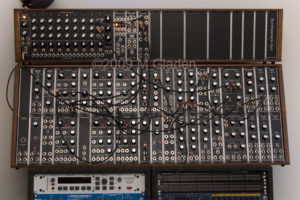 Virtually every musical instrument can benefit from a synthesizer. They enhance the sounds that come out of the instruments. However, guitarists especially love having them. They like using them because of the way that it changes the sound that comes from their guitar. It gives new life to the same ole sounds that you are used to hearing. It also makes it easier for guitarists in a band to keep up with multiple parts or sounds at one time, which in turn ensures that you are performing the best that you can. More than anything though, synthesizers allow you to sync everything at one time. Many of them use MIDI, which allows you to change sounds by twisting knobs and sync what you are doing to other types of instruments. Most of the time, this does require a computer that has a music software program installed.