Setting up the ultimate sound or music studio requires careful planning, the right gear, and thoughtful acoustic treatment to ensure you capture and produce high-quality sound. Whether you’re building a home recording space or a professional studio, there are a number of must-have elements that make a significant difference. First and foremost, a solid computer with a fast processor and plenty of RAM is essential, as it will run your Digital Audio Workstation (DAW) software and handle multiple tracks without lag. Popular DAWs like Pro Tools, Logic Pro, and Ableton Live provide powerful tools for recording, editing, mixing, and mastering music, but they demand robust hardware to work smoothly. Complementing your computer, a reliable audio interface is crucial—it serves as the bridge between your microphones, instruments, and your computer, converting analog signals into digital files with high fidelity. Pairing this with quality studio monitors ensures that what you hear during mixing is accurate, helping you make better decisions about balance, EQ, and effects.
Cornerstone Of Every Studio
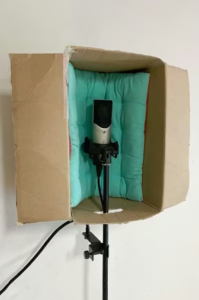 Microphones are another cornerstone of any music studio. A good selection usually includes a large-diaphragm condenser mic for vocals, dynamic mics for louder sources like drums or guitar amps, and possibly ribbon mics for a warmer, vintage tone. Each type of microphone has its strengths, and choosing the right one for your recording purposes will elevate the clarity and character of your tracks. Equally important is a midi controller or keyboard, which allows you to input notes, control virtual instruments, and compose more intuitively. For musicians who play live instruments, quality instrument cables and microphone stands keep the setup clean, stable, and dependable.
Acoustic & Feedback Echo
Acoustic treatment is often what separates a mediocre space from a truly great one, especially when it comes to managing echo and unwanted reflections. Simply put, rooms with hard surfaces—like bare walls, hardwood floors, or ceilings—can create echoes and standing waves that muddy your sound. To combat this, installing acoustic panels, bass traps, and diffusers strategically around the room helps absorb excess echo and balance frequencies. Bass traps in corners reduce low-frequency buildup, while panels at reflection points stop slapback echoes that interfere with vocal takes or precise mixing. Rugs and heavy curtains can also contribute to dampening, but professional acoustic treatment makes the most dramatic impact.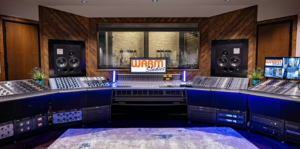
Design & Aesthetics
Another aspect often overlooked in studio design is the choice of doors and structural elements. A metal 6 panel door, for example, can be a boon for sound isolation when properly sealed. Metal doors are denser and less resonant than hollow wood doors, helping to block sound from entering or escaping the studio. When paired with solid door seals and a threshold sweep, a metal door can significantly improve the room’s ability to stay acoustically isolated from outside noise—a key factor when recording quiet takes or mixing at low volumes.
Cable Management
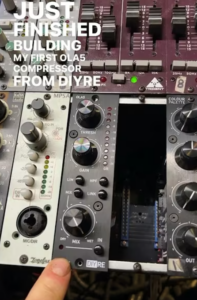 Cabling and power management are equally important: investing in shielded cables reduces interference, while power conditioners protect your equipment from surges and electrical noise. Comfortable, ergonomic furniture like an adjustable chair and a sturdy desk also make long sessions more productive and less fatiguing. And let’s not forget backup storage either—external drives or cloud solutions ensure your projects are safe in case of hardware failure.
The ultimate music studio is a blend of powerful technology, thoughtful acoustics, and smart design choices that support creativity and precision. From your DAW and microphones to acoustic panels and a sturdy metal 6 panel door that helps keep noise where you want it, each component contributes to a space where musicians and producers can do their best work. With the right setup, your studio becomes more than just a room—it becomes the foundation for professional-sounding music.



 Who doesn’t love hearing unique sounds? Music lovers and those who create it spend a lot of time trying to put different sounds together to make them flow and sound great. This enables the random sounds to become a song. A synthesizer makes it more possible and most are simple electronic musical instruments that convert sound through amplifiers, speakers, or headphones.
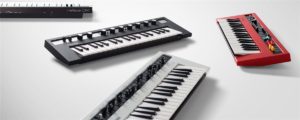 A synthesizer is designed to imitate certain sounds. For instance, they may imitate a piano, an organ, a flute, or other instruments. They may also allow you to play music that sounds like ocean waves or other “natural” sounds. This is why you will see them frequently used along with a keyboard, but in the professional world, they may be used along with other input devices. They can work well with fingerboards, electric drums, and more. These devices have been popular in music since the 1960s when they were used in pop songs and then in disco songs of the 70s their popularity further increased. By the 80s, all musicians wanted the very best that money could buy.
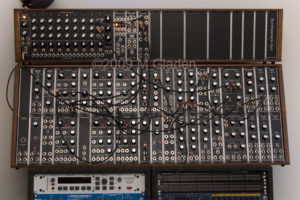 Virtually every musical instrument can benefit from a synthesizer. They enhance the sounds that come out of the instruments. However, guitarists especially love having them. They like using them because of the way that it changes the sound that comes from their guitar. It gives new life to the same ole sounds that you are used to hearing. It also makes it easier for guitarists in a band to keep up with multiple parts or sounds at one time, which in turn ensures that you are performing the best that you can. More than anything though, synthesizers allow you to sync everything at one time. Many of them use MIDI, which allows you to change sounds by twisting knobs and sync what you are doing to other types of instruments. Most of the time, this does require a computer that has a music software program installed.